
Loss in Weight Feeders
Principle and Operation
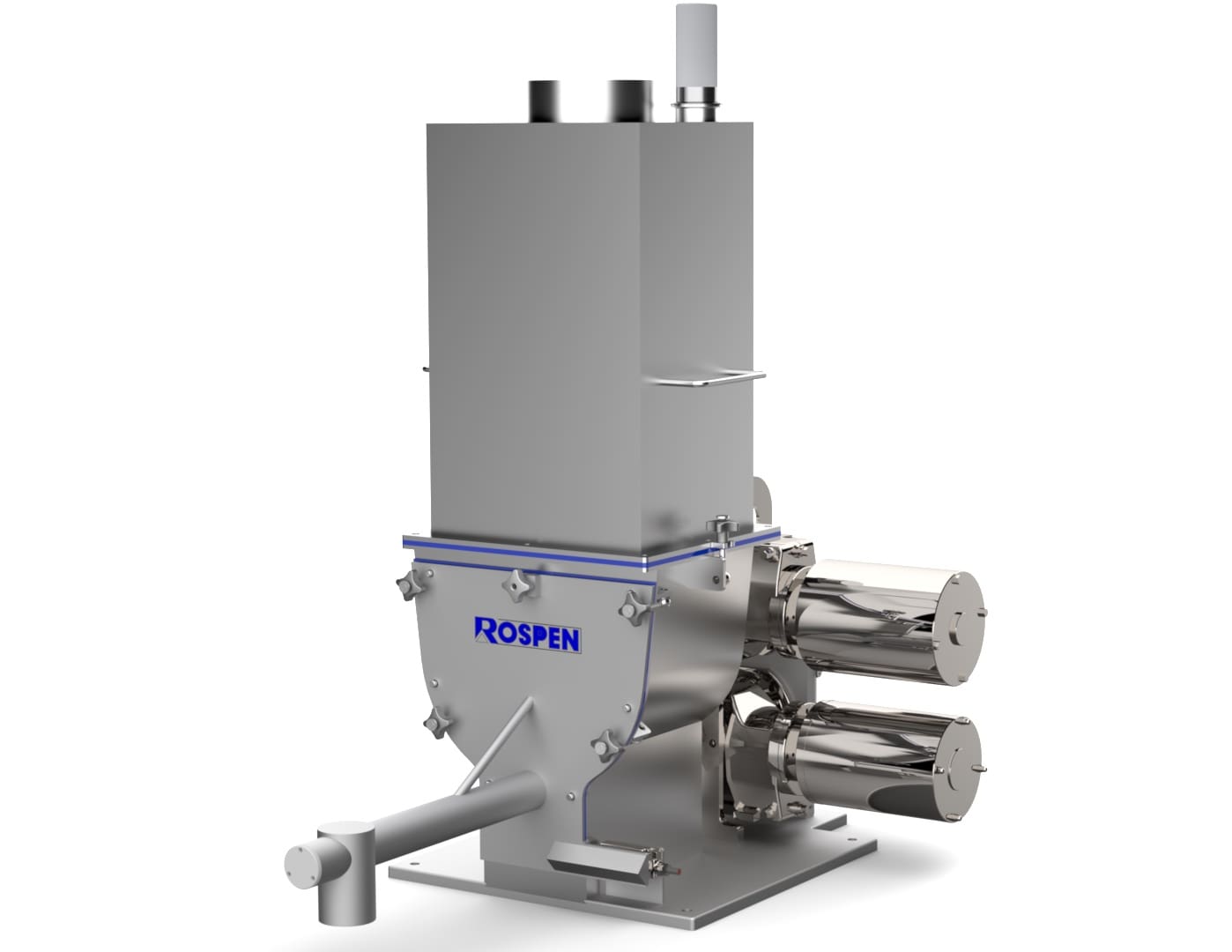
The general principle of Rospen Industries Loss in Weight feed system is to accurately weigh and control the output of variable products either, continuously or as a batch. As the name suggests, the Loss in Weight concept is primarily based around the application of a weigh system allied to PLC control, the outline specification for the systems shown below. Whilst the weigh function is at the heart of any Loss in Weight system it does not directly impact on the material flow, therefore, the correct design of the storage vessel and the choice of a suitable material transfer is critical and is reflected in the options available. With over 40 years experience, Rospen continue to supply a range of Loss in Weight solutions to key industries worldwide.
Screw Feeders
The loss-in-weight system is normally supplied with a standard Rospen metering screw feeder either single or twin screw from 12mm to 250mm dia and output range from 1.0kg/hr to, in excess of 100,000kg/hr. The selection of the correct type of feeder from our extensive range is determined primarily by the type and specification of the material to be handled. Both single and twin, screw feeders are equally as efficient, with the single screw mechanically simpler and therefore, more economical. Both units share the following features and benefits:
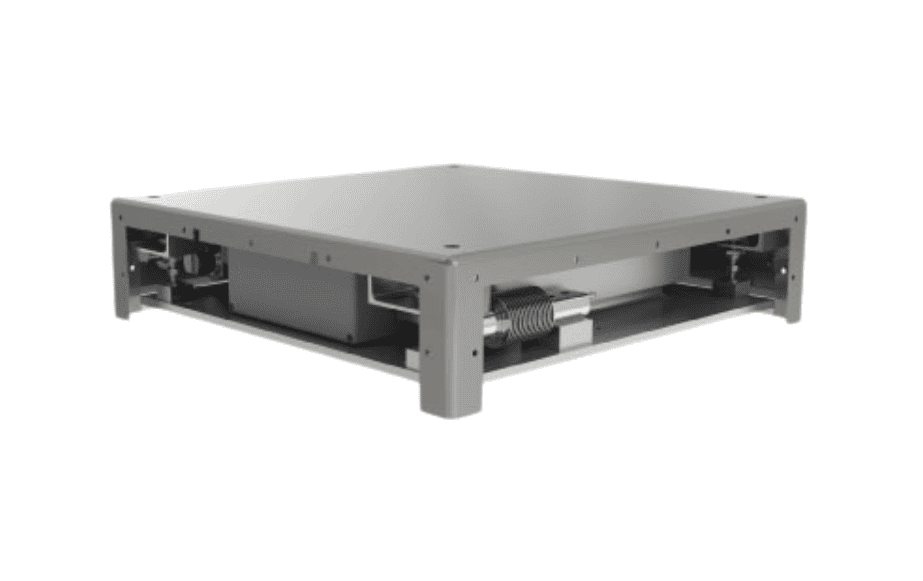
Standard Weigh Platform
The standard Rospen weigh unit has a robust design and contains three, cantilever type load cells, which are summated to automatically compensate for any off center loading that may occur during hopper filling and emptying.
Complete with transit locks, overload, and side-impact stops the unit’s self-centralising mechanism also eradicates inaccuracies due to temperature change.
The solid-state design of the system provides for a maintenance-free operation and is enclosed in a stainless steel dust cover with removable sides.
Weigh Hoppers
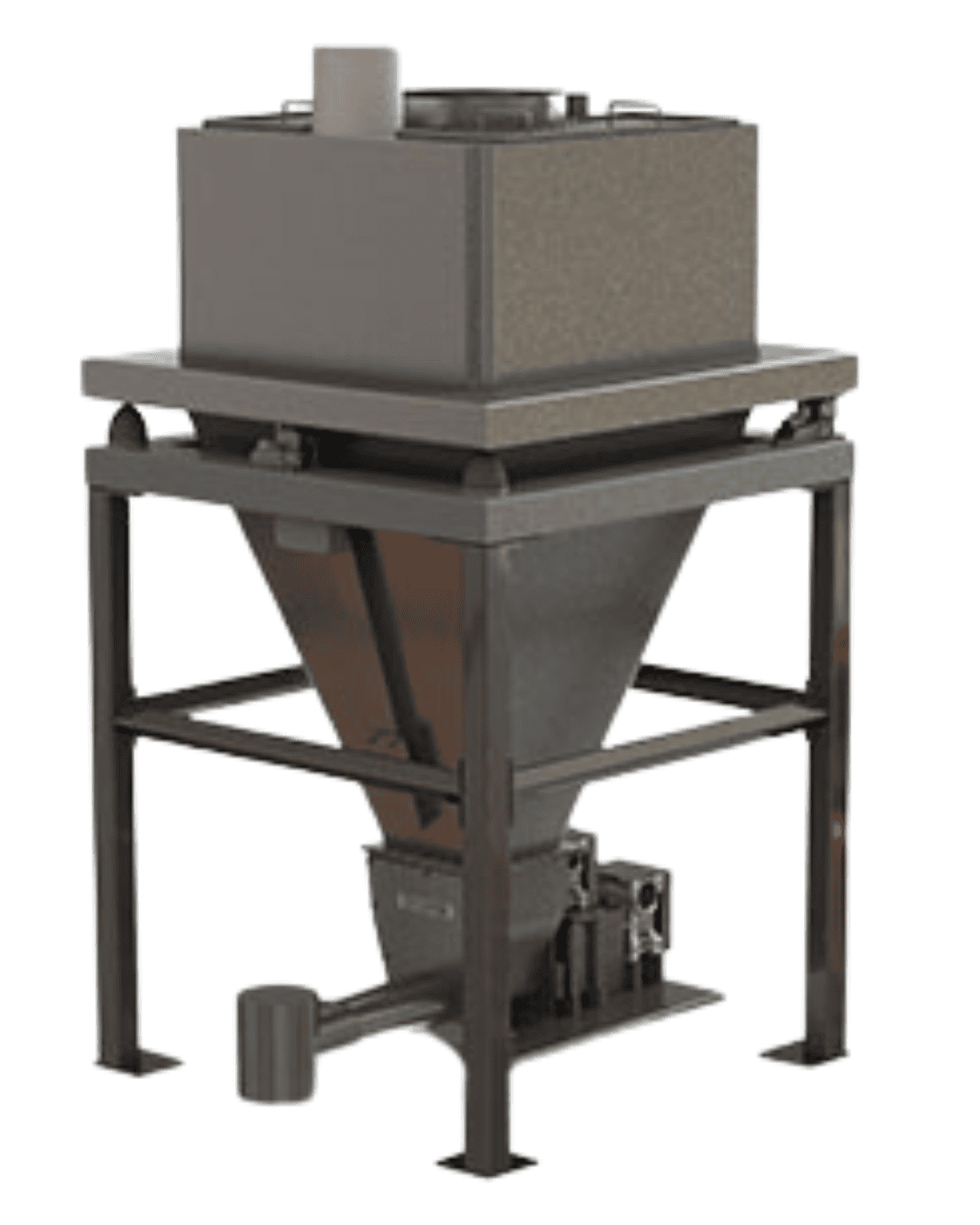
On larger installations, it is normal to suspend the loss-in-weight hopper, complete with the selected feeder, from 3 or 4 load cells to avoid large turning moments. The outputs of the load cells are summated with a strain gauge amplifier.
Our Accreditations:




We’d love to hear from you
Fill in the form and a member of the team will be in touch